

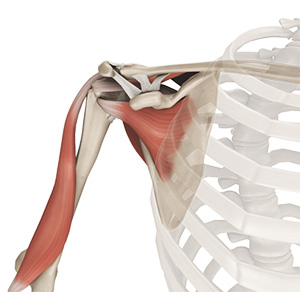
Shoulder Anatomy
The shoulder is the most flexible joint in the body that enables a wide range of movements including forward flexion, abduction, adduction, external rotation, internal rotation, and 360-degree circumduction. Thus, the shoulder joint is considered the most insecure joint of the body, but the support of ligaments, muscles, and tendons function to provide the required stability.
Shoulder Reconstruction Surgery
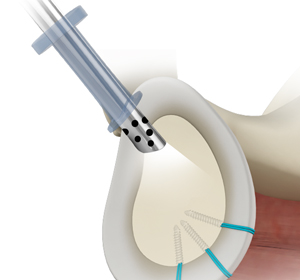
Shoulder reconstruction surgery is an operative procedure in which stretched or torn soft-tissue structures that surround the shoulder joint such as the capsule, ligaments, and cartilage, are repaired to secure the shoulder joint in place.
Ultrasound-Guided Shoulder Injections
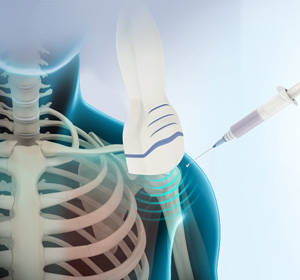
An ultrasound-guided injection is a minimally invasive procedure used for Treating various painful musculoskeletal conditions such as tendonitis, bursitis, and neuritis.
Rotator Cuff Repair

Rotator cuff repair is a surgery to repair an injured or torn rotator cuff. It is usually performed arthroscopically on an outpatient basis. An arthroscope, a small, fiber-optic instrument consisting of a lens, light source, and video camera.
SLAP Repair
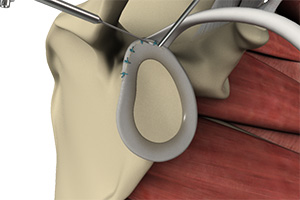
A SLAP repair is an arthroscopic shoulder procedure to treat a specific type of injury to the labrum called a SLAP tear.
Arthroscopic Bankart Repair
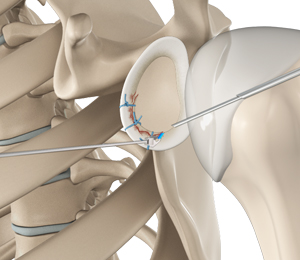
The labrum can sometimes tear during a shoulder injury. A specific type of labral tear that occurs when the shoulder dislocates is called a Bankart tear.
Arthroscopic Frozen Shoulder Release
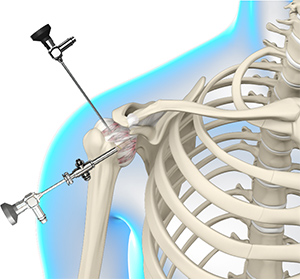
An arthroscopic frozen shoulder release is a minimally-invasive shoulder surgery performed to relieve pain and restore normal function using a special instrument called an “arthroscope”.
Shoulder Arthroscopy
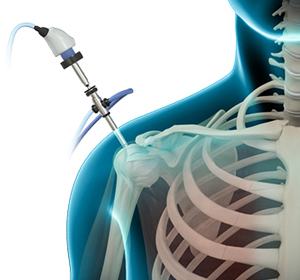
Arthroscopy is a minimally invasive diagnostic and surgical procedure performed for joint problems. Shoulder arthroscopy is performed using a pencil-sized instrument called an arthroscope.
Capsular Release
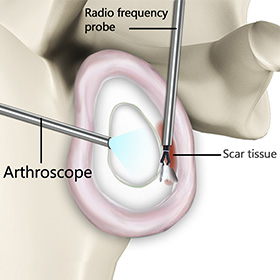
A capsular release of the shoulder is surgery performed to release a tight and stiff shoulder capsule, a condition called frozen shoulder or adhesive capsulitis. The procedure is usually performed arthroscopically through keyhole-size incisions.
Shoulder Surgery
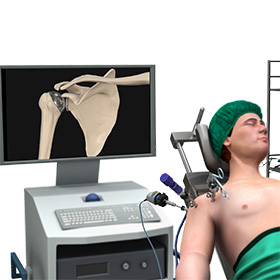
Shoulder surgery is a surgical procedure for the treatment of a shoulder injury or shoulder condition. The procedure involves repairing a diseased, damaged, or degenerated shoulder joint in order to eliminate pain and restore normal shoulder function.
Platelet-Rich Plasma (PRP) for the Shoulder
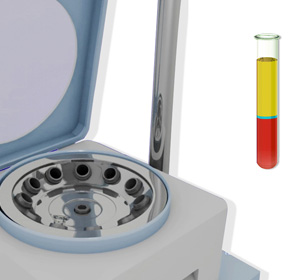
Platelet-Rich Plasma (PRP) therapy is a regenerative treatment option that involves injecting a concentrated solution of platelets obtained from the patient's own blood into the shoulder joint.
Shoulder Fracture Care
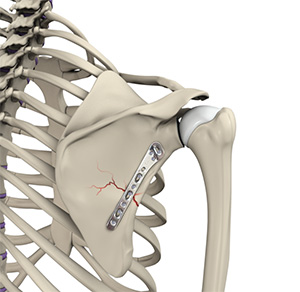
A break in the bone that makes up the shoulder joint is called a shoulder fracture. The clavicle (collarbone) and end of the humerus (upper arm bone) closest to the shoulder are the bones that usually are fractured.
Superior Capsule Reconstruction for Irreparable Rotator Cuff Tears
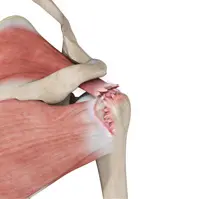
The shoulder joint is stabilized by the joint capsule and rotator cuff. Tears to the rotator cuff can cause severe pain and impairment. When defects in the underlying upper joint capsule add to the instability caused by rotator cuff tears
Rotator Cuff Tear
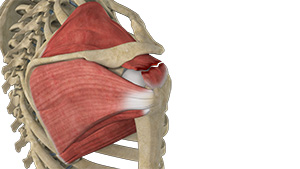
The rotator cuff is a group of tendons in the shoulder joint that provides support and enables a wide range of motion. A major injury to these tendons may result in rotator cuff tears.
Shoulder Impingement
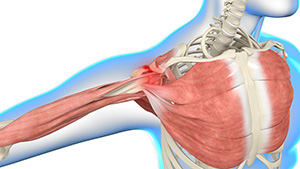
Shoulder impingement is the inflammation of the tendons of the shoulder joint. It is one of the most common causes of pain in the shoulder. Shoulder impingement is also called swimmer’s shoulder, tennis shoulder or rotator cuff tendinitis.
SLAP Tears
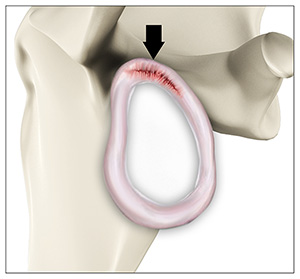
The term SLAP (superior –labrum anterior-posterior) lesion or SLAP tear refers to an injury of the superior labrum of the shoulder.
Arthritis of the Shoulder
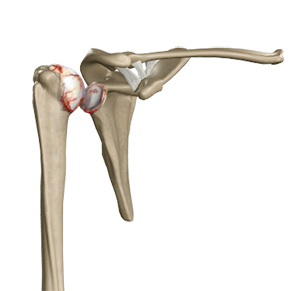
The term arthritis literally means inflammation of a joint but is generally used to describe any condition in which there is damage to the cartilage. Damage of the cartilage in the shoulder joint causes shoulder arthritis.
Shoulder Instability
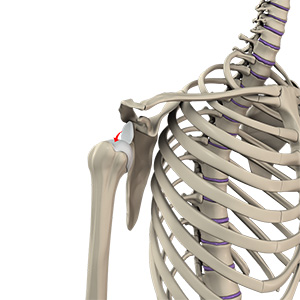
Shoulder instability is a chronic condition that causes frequent dislocation of the shoulder joint. A dislocation occurs when the end of the humerus (ball portion) partially or completely dislocates from the glenoid (socket portion) of the shoulder.
Shoulder Labral Tear
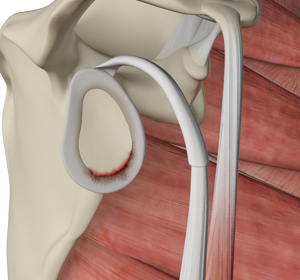
Traumatic injury to the shoulder or overuse of the shoulder (throwing, weightlifting) may cause the labrum to tear. In addition, aging may weaken the labrum leading to injury.
Shoulder Dislocation
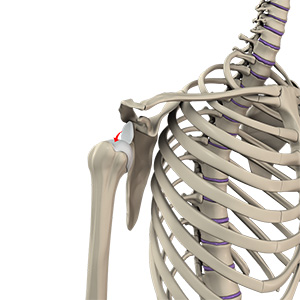
Sports that involve overhead movements and repeated use of the shoulder at your workplace may lead to sliding of the upper arm bone from the glenoid.
Shoulder Fracture
A break in a bone that makes up the shoulder joint is called a shoulder fracture. The clavicle and end of the humerus closest to the shoulder are the bones that usually get fractured.
Frozen Shoulder
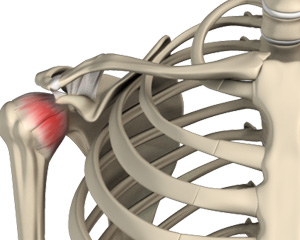
Frozen shoulder, also called adhesive capsulitis, is a condition in which you experience pain and stiffness in your shoulder. The symptoms appear slowly, worsen gradually and usually take one to three years to resolve on their own.
Shoulder Trauma
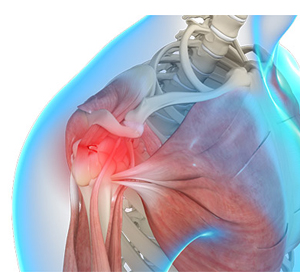
Shoulder injuries most commonly occur in athletes participating in sports such as swimming, tennis, pitching, and weightlifting. The injuries are caused due to the over usage or repetitive motion of the arms.
Clavicle Fracture
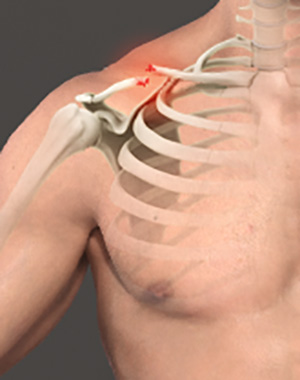
The break or fracture of the clavicle (collarbone) is a common sports injury associated with contact sports such as football and martial arts, as well as impact sports such as motor racing.
Shoulder Bursitis
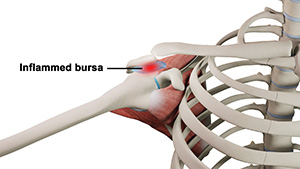
Shoulder bursitis, also known as subacromial bursitis, is a condition characterized by pain and inflammation in the bursa of the shoulder.
Shoulder Tendonitis
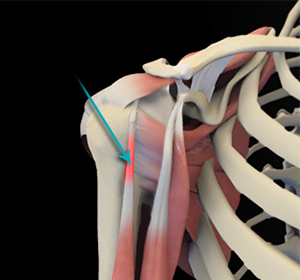
Shoulder tendonitis is a condition characterized by inflammation of the tendons which connect the muscles to the shoulder bones. Tendonitis of the rotator cuff tendons is known as rotator cuff tendonitis.
Throwing Injuries of the Shoulder

Throwing injuries of the shoulder are injuries sustained as a result of trauma by athletes during sports activities that involve repetitive overhand motions of the arm as in baseball, American football, volleyball, rugby, tennis, track and field events, etc.
Sternoclavicular Separation

The sternoclavicular joint is a joint at the center of your upper chest, connecting your breastbone and collarbone, and held together by a strong band of ligaments.
Shoulder Disorders

The shoulder is the most flexible joint in the body that enables a wide range of movements. Aging, trauma or sports activities can cause injuries and disorders that can range from minor sprains or strains to severe shoulder trauma.
Rotator Cuff Bursitis
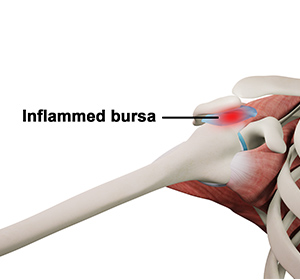
The rotator cuff is a set of muscles and tendons which hold the various bones of the shoulder joint together, providing strength and support. Inflammation of the bursa, a fluid-filled sac between the rotator cuff tendons and a bony process at the top of the shoulder called the acromion, is known as shoulder bursitis or rotator cuff bursitis.
Calcific Tendonitis
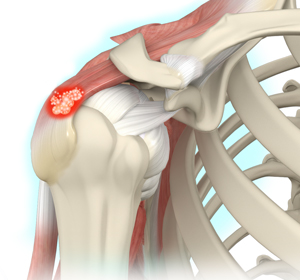
Calcific tendonitis is a problem with the shoulder’s tendons and muscles. This condition occurs due to the formation of calcium deposits in the tendons (tissue which attaches muscle to bone) of the rotator cuff (a group of muscles and tendons stabilizing the shoulder).
Rotator Cuff Pain
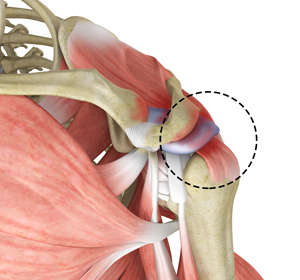
The rotator cuff consists of a group of tendons and muscles that surround and stabilize the shoulder joint. These tendons allow a wide range of movement of the shoulder joint across multiple planes. Irritation or injury to these tendons can result in rotator cuff pain.