

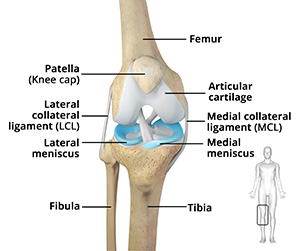
Knee Anatomy
The knee is a complex joint made up of different structures - bones, tendons, ligaments, and muscles. They all work together to maintain the knee’s normal function and provide stability to the knee during movement.
Patellofemoral Stabilization

Patellofemoral stabilization is a broad term that refers to surgeries employed for stabilization (prevention of dislocation) of the patella for the treatment of patellofemoral instability.
Meniscus Replacement
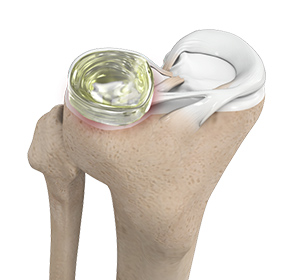
Meniscus replacement is a surgical procedure performed to replace a torn or damaged meniscus in the knee.
Knee Surgery
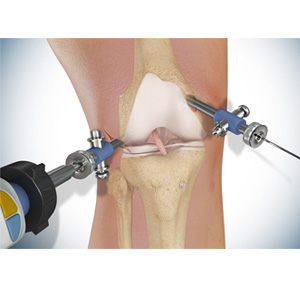
Knee surgery is a surgical procedure for the treatment of a knee injury or condition. The procedure involves repairing diseased or damaged structures of the knee joint in order to eliminate pain and restore normal function.
Meniscal Transplantation
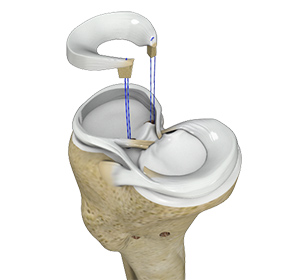
Meniscal transplantation is a surgical procedure to replace the damaged meniscus of the knee with healthy cartilage.
Meniscectomy
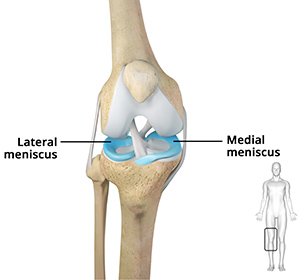
Meniscectomy is a surgical procedure indicated in individuals with torn meniscus where the conservative treatments are a failure to relieve the pain and other symptoms.
Quadriceps Tendon Repair
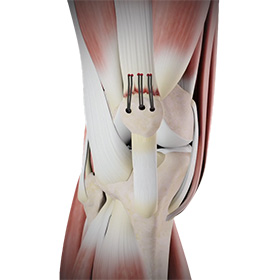
Quadriceps tendon is a thick tissue located at the top of the kneecap. The quadriceps tendon works together with the quadriceps muscles to allow us to straighten our leg. The quadriceps muscles are the muscles located in front of the thigh.
Meniscus Root Repair
Meniscus root repair is a surgery performed to repair a torn meniscus root. Meniscal repair may be performed either by open surgery under direct vision or minimally invasively using an arthroscope that can be inserted into the knee through a very small key-hole incision to locate and repair the damaged meniscus.
Knee Osteoarthritis Treatment
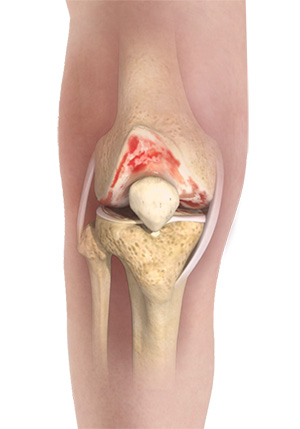
Knee osteoarthritis (OA) treatment refers to the various approaches involved in the treatment of the degenerative joint condition called osteoarthritis. The knee joints are lined by soft articular cartilage that cushion the joints and aid in smooth movement of the joint bones.
Meniscal Repair Surgery
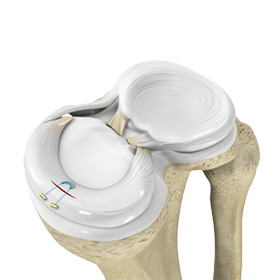
Meniscus repair is an outpatient surgical procedure to repair torn knee cartilage. A variety of minimally invasive procedures are used to repair a torn meniscus, and postoperative protection is required to allow for recovery.
Proximal Tibial Osteotomy
Proximal tibial osteotomy, also called a high tibial osteotomy, is a surgical procedure to cut and re-align the upper part of the tibia or shinbone.
Knee Arthroscopy
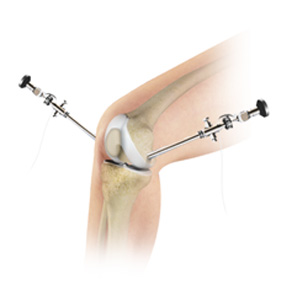
Knee arthroscopy is a common surgical procedure performed using an arthroscope, a viewing instrument, to diagnose or treat a knee problem. It is a relatively safe procedure and you will usually be discharged from the hospital on the same day of surgery.
Knee Osteotomy
Knee osteotomy is a surgical procedure in which the upper part of shinbone (tibia) or lower part of thighbone (femur) is cut and realigned.
Patellar Tendon Repair
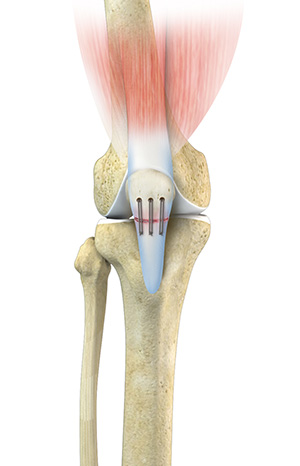
Patellar tendon repair is the surgery performed to reattach the torn tendon to the kneecap and to restore normal function in the affected leg.
ACL Reconstruction
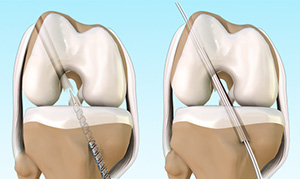
Anterior cruciate ligament (ACL) reconstruction is a surgical procedure to replace a torn or damaged ACL ligament in your knee with a new ACL tissue graft obtained most commonly from your own body (autograft) or in rare cases from a deceased donor (allograft).
Autologous Chondrocyte Implantation
Autologous chondrocyte implantation (ACI) is a procedure to treat the articular cartilage defects of the knee. This procedure is effective for treating small areas of cartilage damage that causes pain and swelling and restricts range of motion.
Meniscal Surgery
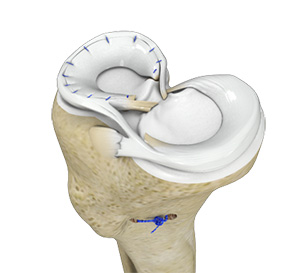
Meniscal surgery is a surgical procedure employed for the treatment of torn or damaged meniscal tissues in the knee. It is mostly performed as a minimally invasive keyhole procedure.
Kneecap Bursitis
Bursitis refers to the inflammation and swelling of the bursa. Inflammation of the bursa in front of the kneecap (patella) is known as kneecap bursitis or prepatellar bursitis.
Fractures of the Tibia
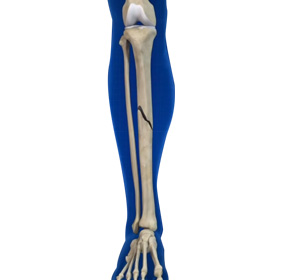
The lower leg is made up of two long bones called the tibia and fibula that extend between the knee and ankle. The tibia or shinbone is the larger of the two bones. It bears most of the body’s weight and helps form the ankle joint and knee joint.
Knee Injury
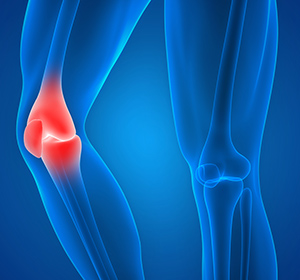
Trauma to the knee can injure one or more tissues of the knee joint, such as ligaments, tendons, cartilage, bones, and muscles. These injuries can result from a fall, a forceful twisting motion, or a high-impact event like a motor vehicle accident.
Knee Sprain
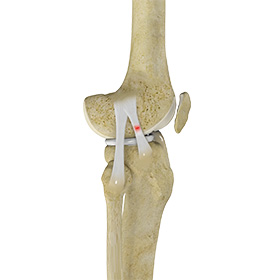
Knee sprain is a common injury that occurs from overstretching of the ligaments that support the knee joint. A knee sprain occurs when the knee ligaments are twisted or turned beyond its normal range, causing the ligaments to tear.
ACL Tears
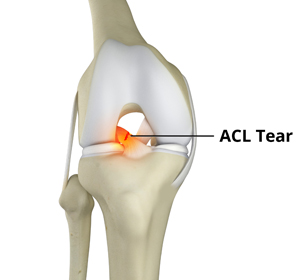
The anterior cruciate ligament (ACL) is one of the major ligaments of the knee. It is located in the middle of the knee and runs from the femur (thighbone) to the tibia (shinbone).
Meniscal Injuries
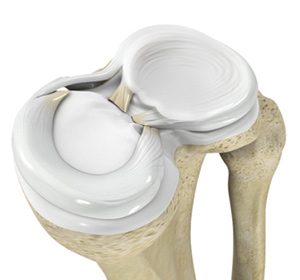
Meniscal tears are one of the most common injuries to the knee joint. It can occur at any age but are more common in athletes involved in contact sports.
Meniscal Tears
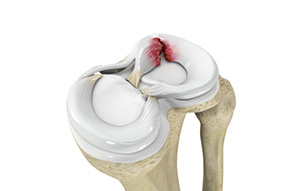
A meniscal tear is a common knee injury in athletes, especially those involved in contact sports. A sudden bend or twist in your knee causes the meniscus to tear.
Fractures of the Patella
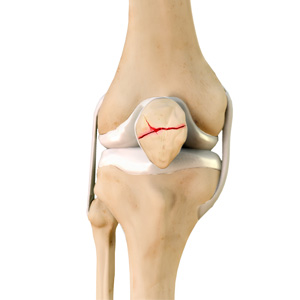
The patella or kneecap is a small bone present in the front of your knee where the thigh bone meets the shinbone. It provides protection to your knee and attachment to muscles in the front of the thigh. An injury to the knee can result in a break or fracture of the patella.
Knee Ligament Injuries
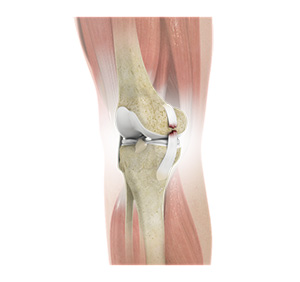
Knee problems may arise if any of these structures get injured by overuse or suddenly during sports activities. Pain, swelling, and stiffness are the common symptoms of any damage or injury to the knee.
Knee Arthritis
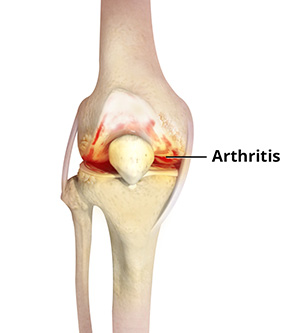
The joint surface is covered by a smooth articular surface that allows pain-free movement in the joint. Arthritis is a general term covering numerous conditions where the joint surface or cartilage wears out.
Knee Pain
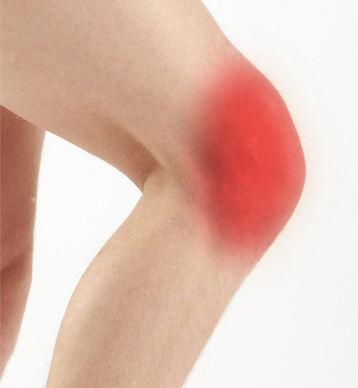
Knee pain is a common condition affecting individuals of various age groups. It not only affects movement but also impacts your quality of life.
Patellar Instability
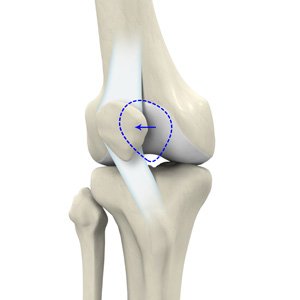
Any damage to the supporting ligaments may cause the patella to slip out of the groove either partially (subluxation) or completely (dislocation).
Patellofemoral Instability
Any damage to the supporting ligaments may cause the patella to slip out of the groove either partially (subluxation) or completely (dislocation).
Patella Fracture
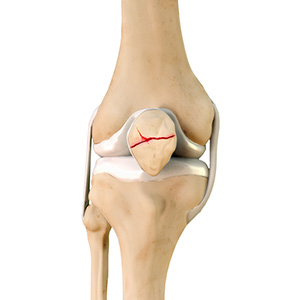
The kneecap or patella forms a part of the knee joint. It is present at the front of the knee, protecting the knee and providing attachment to various muscle groups of the thigh and leg.
Quadriceps Tendon Rupture
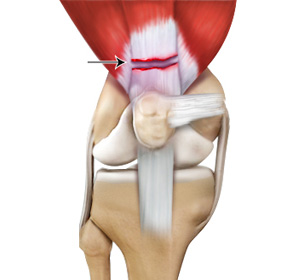
The quadriceps can rupture after a fall, direct blow to the leg and when you land on your leg awkwardly from a jump. Quadriceps tendon rupture most commonly occurs in middle-aged people who participate in sports that involve jumping and running.
Patellar Tendon Rupture
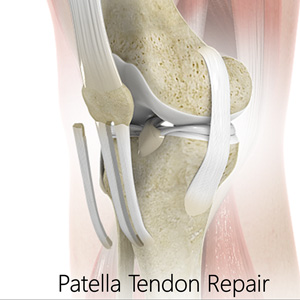
The patellar tendon works together with the quadriceps muscle and the quadriceps tendon to allow your knee to straighten out. Patella tendon rupture is the rupture of the tendon that connects the patella (kneecap) to the top portion of the tibia (shinbone).
Proximal Tibia Fracture
A proximal tibia fracture refers to a break in the upper part of the tibia (shinbone), near the knee. The tibia is one of the major bones in the lower leg, and its proximal (upper) part includes the tibial plateau, which is crucial for weight-bearing and knee joint function.
Articular Cartilage Injury (Knee)
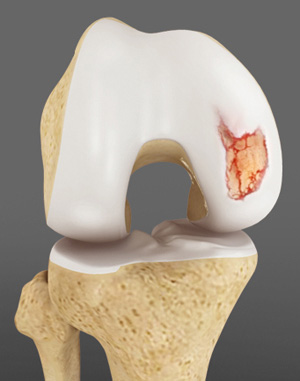
Articular or hyaline cartilage is the tissue lining the surface of the two bones in the knee joint. Cartilage helps the bones move smoothly against each other and can withstand the weight of the body during activities such as running and jumping.
Knee Fracture
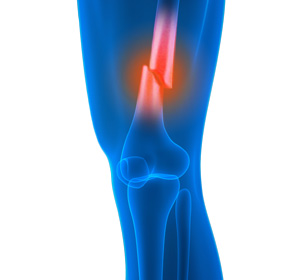
A fracture is a condition in which there is a break in the continuity of the bone. In younger individuals, these fractures are caused by high energy injuries, as from a motor vehicle accident. In older people, the most common cause is a weak and fragile bone.
Knee Sports Injuries
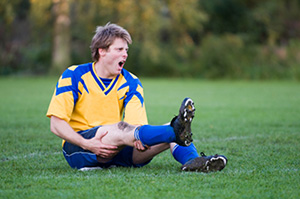
Trauma is any injury caused during physical activity, motor vehicle accidents, electric shock, or other activities. Sports trauma or sports injuries refer to injuries caused while playing indoor or outdoor sports and exercising.
Proximal Tibiofibular Joint Instability
Proximal tibiofibular joint instability (PTFJ instability) occurs when the joint between the top part of the fibula (the smaller bone of the lower leg) and the tibia (shinbone) becomes unstable.
Patellar Tendonitis
Patellar tendonitis, also known as "jumper's knee", is an inflammation of the patellar tendon that connects your kneecap (patella) to your shinbone. This tendon helps in extension of the lower leg.
Meniscus Root Tear
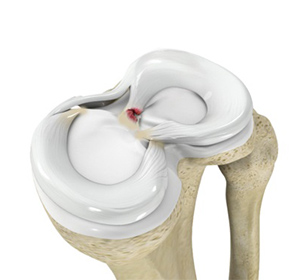
Meniscal root tears are characterized as soft tissue or bony root avulsion injuries or radial tears located within 1 cm of meniscus root attachment.
Knee Stress Fractures

Stress fractures of the patella or knee are very rare. Approximately two out of 10,000 athletes may experience a patella stress fracture. Initial symptoms include activity-related pain and then a fatigue stress fracture after minor trauma.
Patellar Tendon Tear
A patellar tendon tear is a significant injury affecting the knee joint and is commonly seen in athletes and individuals engaged in activities that involve jumping, running, or sudden directional changes.
Quadriceps Tendon Rupture and Repair
A quadriceps tendon rupture is defined as a tear of the quadriceps tendon as a result of a traumatic incident.The quadriceps tendon is a strong rope-like fibrous tissue located at the top of the patella or kneecap that connects the quadriceps muscles to the kneecap.
Patellofemoral Arthritis
Patellofemoral arthritis is an inflammatory condition characterized by loss of the smooth cartilage between the kneecap (patella) and the underlying femoral (thigh) bone in the knee joint.
Anterior Knee Pain
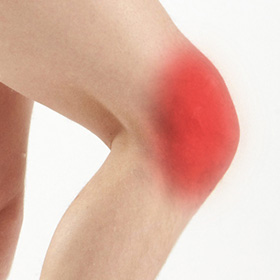
Anterior knee pain is characterized by chronic pain over the front and center of the knee joint. It is common in athletes, active adolescents (especially girls) and overweight individuals.